Temperature Controlled Storage Container for Valuable Furniture, Art and Memorabilia
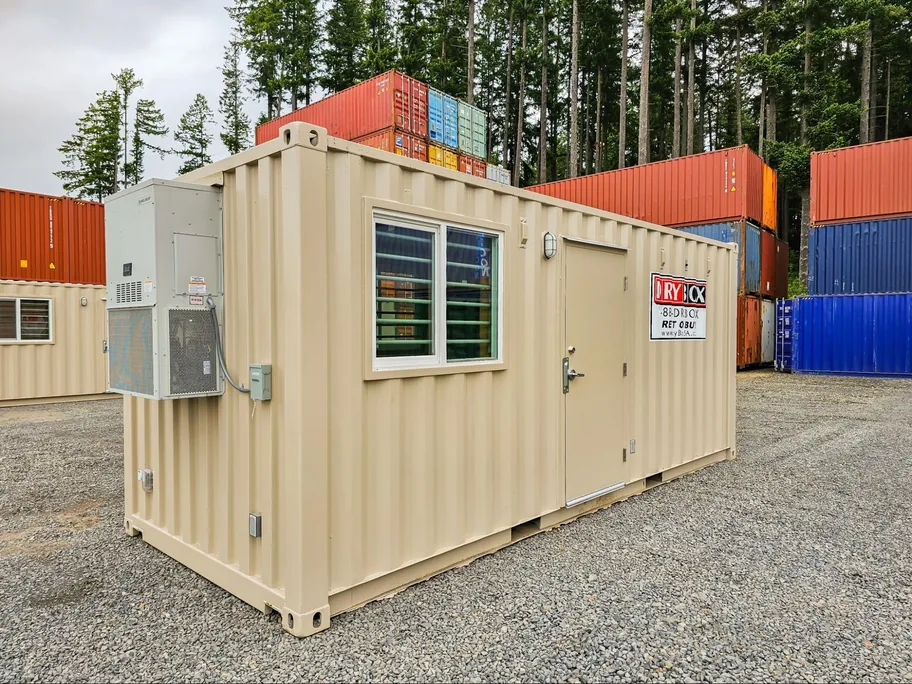
Temperature controlled storage keeps furniture, art, and memorabilia inside a stable temperature and humidity range instead of exposing them to outdoor swings. A temperature controlled storage container achieves this through insulation, HVAC, or refrigeration equipment installed inside a standard shipping container, and it can be delivered for onsite temperature controlled storage right at your home or business.
This protects wood, canvas, paper, leather, electronics, and other sensitive materials from warping, cracking, mold growth, and corrosion.
A single hot afternoon can warp a wood dresser, crack an oil painting, or curl the pages of a photo album faster than most people realize. Temperature swings are the quiet threat behind a lot of ruined heirlooms, damaged inventory, and cracked antiques.
A well built temperature controlled storage container can protect those items with the same reliability as a climate controlled storage unit, and it can sit right on your property.
Why Temperature Control Matters for Valuable Items
Wood furniture expands and contracts with humidity, which is how joints loosen and veneer separates over time. Canvas art reacts to heat by stretching, then contracts again once the temperature drops, and repeated cycles create fine cracks in the paint layer.
Paper documents, leather goods, and photographs are just as sensitive, since moisture in the air is often the real enemy rather than heat alone.
Standard storage, whether it is a garage, an attic, or an uninsulated shed, rarely holds a steady climate. Temperature control storage solves this by keeping conditions consistent no matter what the weather is doing outside.
That consistency is exactly what protects fine furniture, artwork, and family memorabilia over the long term.
What Is a Temperature Controlled Storage Container?
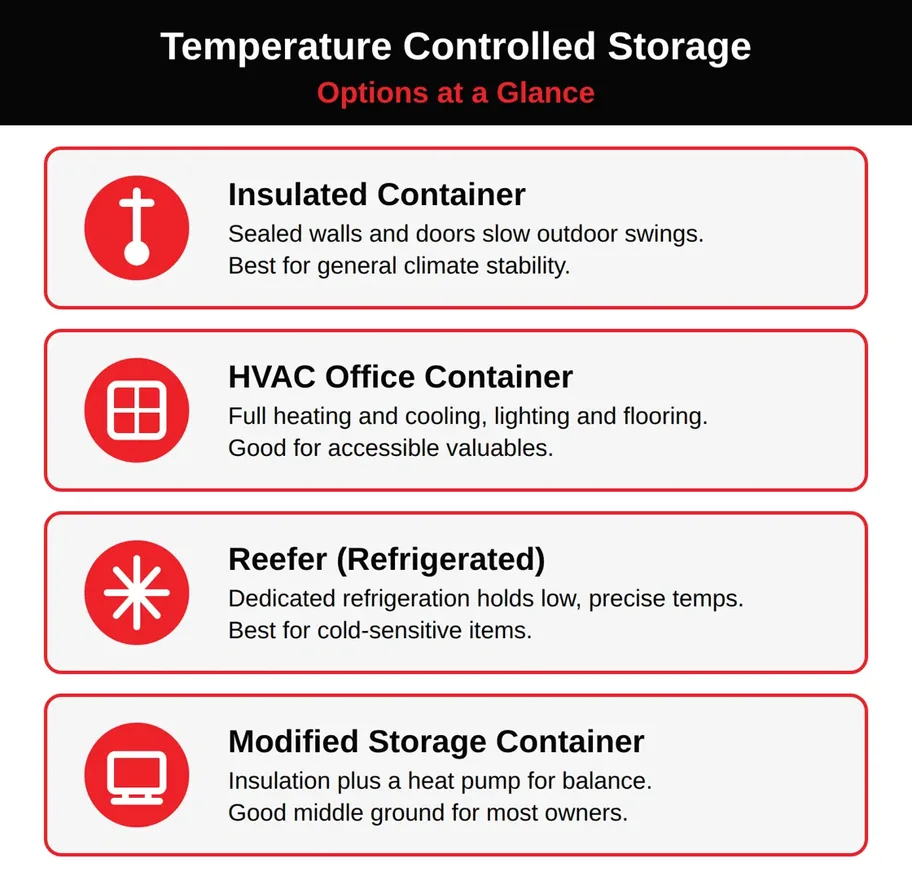
A temperature controlled storage container starts as a standard steel shipping container and gets upgraded with insulation, sealed doors, and either an HVAC unit or a refrigeration system.
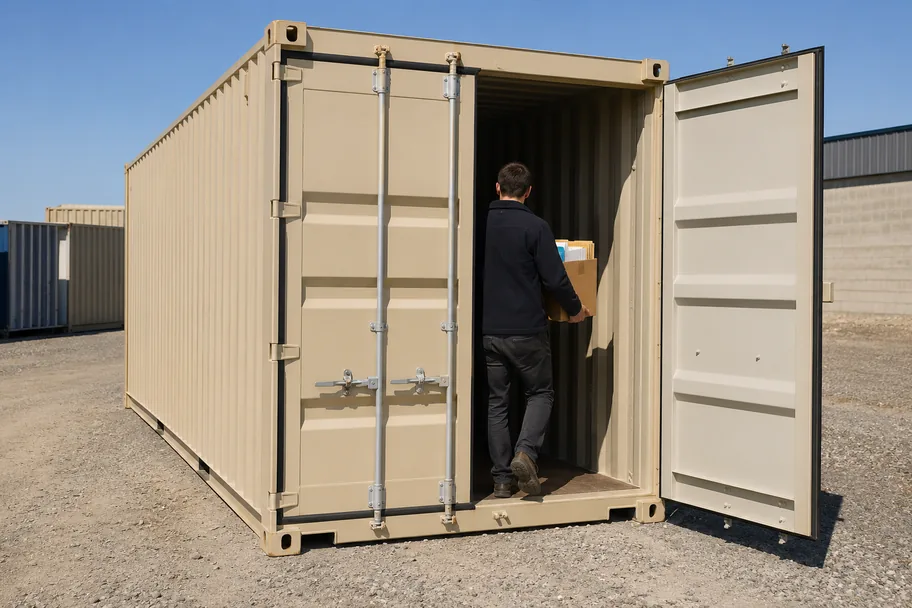
These container modifications turn an ordinary box into a climate controlled storage space that can hold a set temperature and humidity level year round. Because the container is fully mobile, it can be placed on a gravel pad, a driveway, or a job site instead of requiring a permanent building.
This is the core idea behind onsite temperature controlled storage. Instead of driving your valuables across town to a storage facility, the protected environment comes to you.
Types of Temperature Controlled Storage Containers
Dry Box offers a few different approaches to temperature control storage, and the right one depends on how cold or how stable you need the space to be.
Office Containers
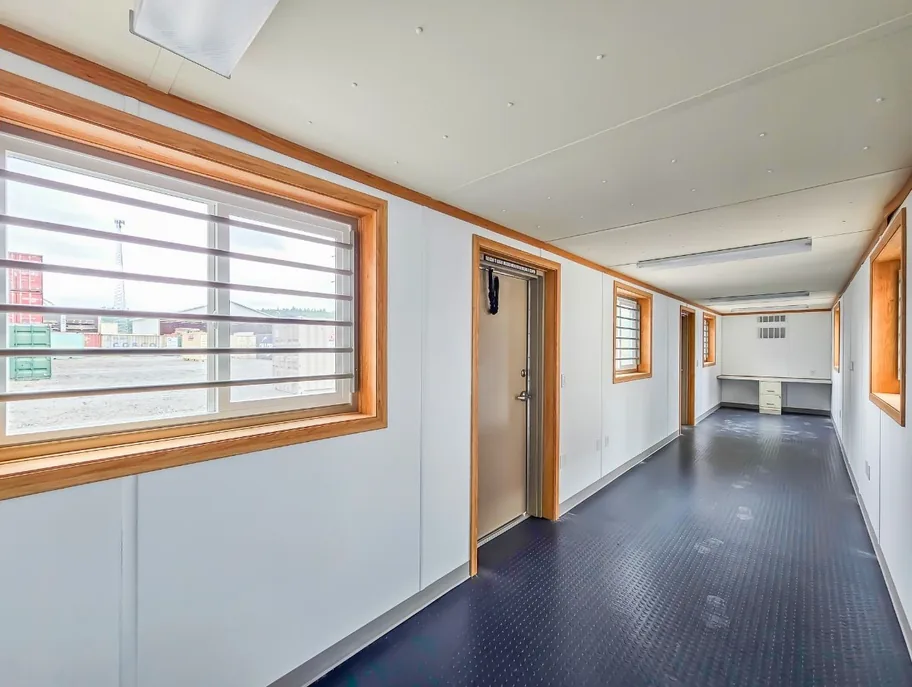
A shipping container office is insulated and fitted with a standard HVAC unit, which keeps the interior at a comfortable, steady temperature. Because these units already include lighting, flooring, and secure doors, they work well for storing furniture, art, or memorabilia that also needs a clean, dry, easily accessible space.
A mobile office container can be delivered quickly and repositioned later if your storage needs change.
Reefers
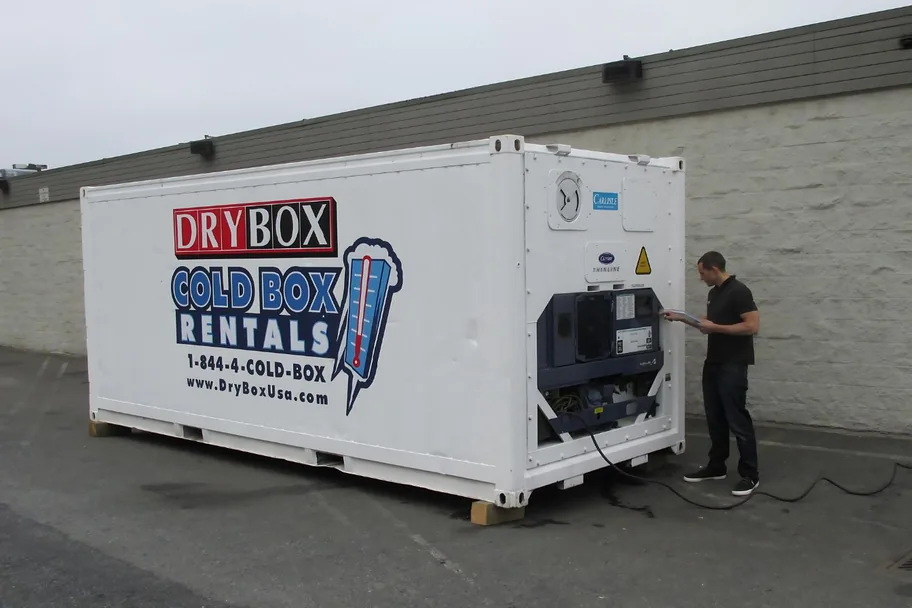
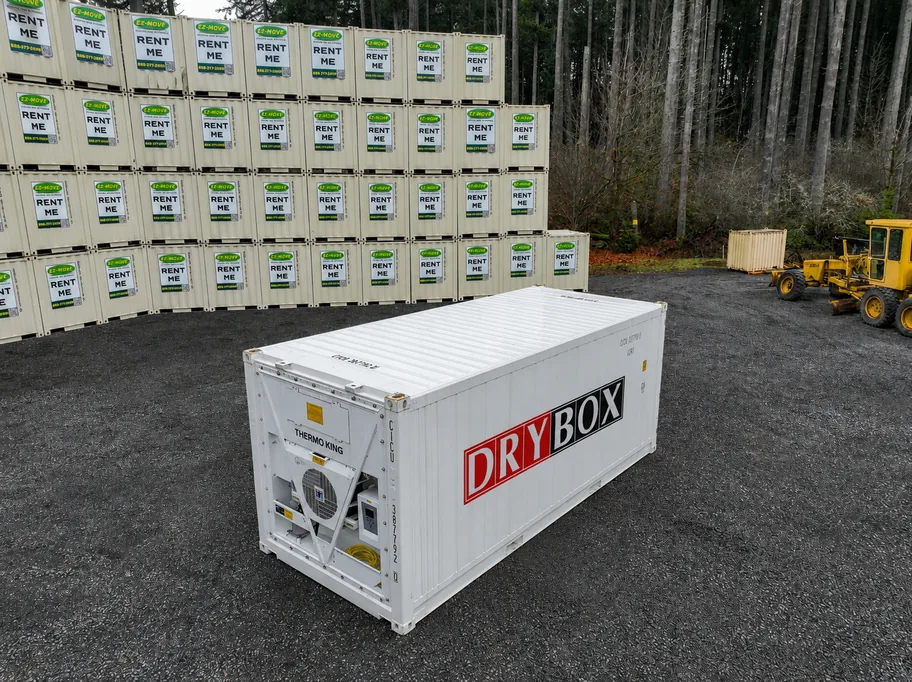
Reefers, or refrigerated containers, use dedicated cooling equipment to hold much lower and more precise temperatures than a standard HVAC system.
These units are typically associated with Dry Box's sister brand, Cold Storage Containers, and they matter here because some materials, like certain film archives, wine collections, or delicate textiles, need colder and more tightly controlled conditions than insulation alone can provide.
Choosing Onsite Temperature Controlled Storage for Your Property
Onsite temperature controlled storage means the container sits directly on your property instead of at a remote facility. This gives you daily access to furniture, art, or memorabilia without loading it into a truck first. Dry Box handles shipping container delivery with equipment built for tight driveways and awkward lots, so placement is rarely the limiting factor.
If you are not ready to commit to a purchase, a rent-to-own storage container program can be a practical way to get a climate controlled unit onsite now and pay it down over time. For buyers who know they need a long term solution, browsing shipping containers for sale is usually the faster route, since new equipment can be modified to your exact temperature control needs.
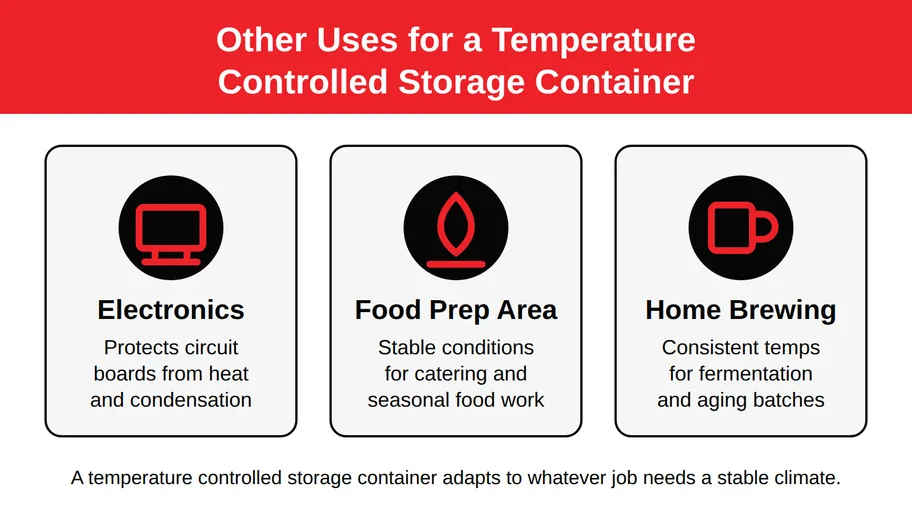
Other Uses for a Temperature Controlled Storage Container
Protecting furniture and art is only part of the picture. Once a container has working climate control, it becomes useful for several other jobs around a home or business.
Storing Electronics and Other Sensitive Items
Electronics are sensitive to both heat and humidity, and condensation inside a hot, sealed box can corrode circuit boards fast.
Keeping servers, tools with electronic components, or seasonal equipment in a temperature controlled storage container protects them the same way it protects furniture. This makes a modified container a smart option for contractors and small businesses with expensive gear to store between jobs.
Food Prep Area
A container with HVAC and proper ventilation can double as a food prep or catering staging area, especially for events, farmers markets, or seasonal food businesses.
Pairing an insulated space with a nearby refrigerated container gives a business both a workspace and cold storage in one setup. This combination is common for caterers who need reliable conditions without building permanent kitchen space.
Home Brewing
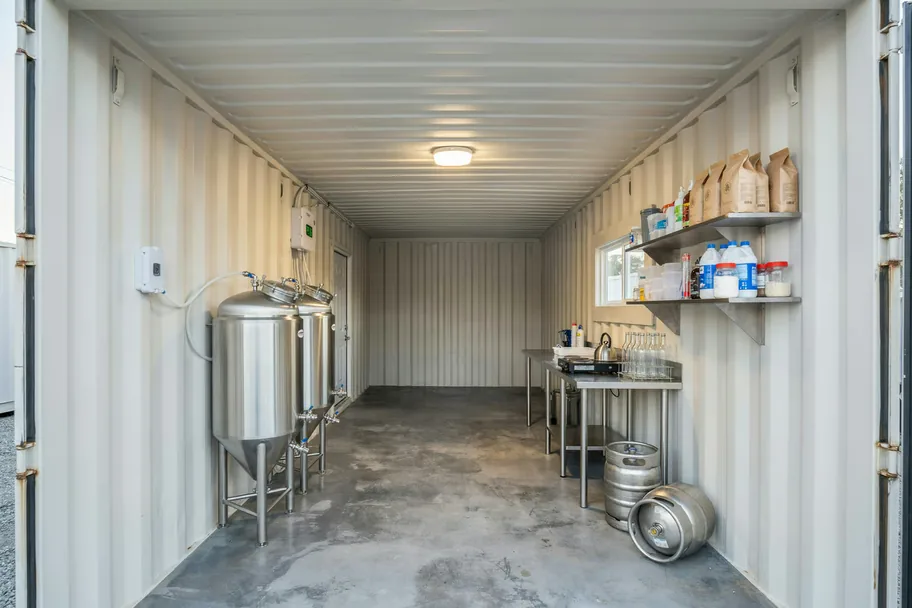
Fermentation is extremely sensitive to temperature, and a few degrees of drift can change the flavor of a batch of beer, cider, or wine. A climate controlled storage container gives home brewers a dedicated, consistent space that a garage or basement usually cannot match.
It also keeps brewing equipment and ingredients away from household traffic and temperature swings caused by daily cooking and laundry.
And reefer trailers are perfect for storing homebrews just above temperature where beer freezes.
How Climate Controlled Storage Protects Furniture, Art and Memorabilia
Museum professionals have studied this exact problem for decades, and the guidance is consistent: steady temperature and humidity matter more than hitting one perfect number. The National Park Service Museum Handbook outlines this approach for the collections held at parks and historic sites across the country, and the same basic principle applies at home. Avoiding repeated swings in temperature and humidity is generally more protective than chasing a single ideal setting.
A modified roll-up door container or insulated container gives you that stability along with secure, lockable access. For families storing heirlooms or a small business protecting inventory, this level of control is often more practical and more affordable than renting climate controlled space at a traditional facility.
Ready to protect what matters? Dry Box can help you find the right insulated or refrigerated setup, from a simple modified container to a full container cabin style build. Reach out for a quote and we will walk you through what is available in your area.
Frequently Asked Questions
Does a temperature controlled storage container need to stay plugged in at all times?
Yes, HVAC units, heat pumps, and refrigeration systems all need a continuous power source to hold a steady climate. Most setups run off standard electrical service or a generator when power is not already available on site. Losing power for a short time is usually not harmful, but extended outages can allow temperature and humidity to drift.
Can I move items in and out of a temperature controlled container regularly?
Yes, frequent access is one of the advantages of onsite storage compared to a distant facility. Opening the door briefly does not undo the climate control, since the space recovers quickly once it is sealed again. Frequent long openings in extreme weather are the main thing to avoid.
Is a temperature controlled container secure enough for valuable items?
Steel construction, sealed doors, and container-grade locks make these units naturally resistant to forced entry. Many owners add a lock box or additional locking hardware for extra peace of mind. Security is one of the reasons collectors and small businesses choose containers over open shelving in a garage.
How much does it cost to add temperature control to a shipping container?
Pricing depends heavily on the size of the container, the type of equipment used, and your location, so any figure should be treated as a starting reference rather than a quote. Heat pump installations have historically run in the range of a few thousand dollars, but current pricing should always be confirmed directly with a Dry Box representative. Refrigerated equipment for a true reefer setup typically costs more than a standard HVAC installation.
What size container is best for storing furniture, art, or memorabilia?
A 20 foot container is a common starting point for household furniture and a moderate collection of art or keepsakes. Larger collections, or businesses storing inventory, often move up to a 40 foot unit for more usable floor space. The right size really depends on volume, so measuring your items first is the best way to avoid paying for space you do not need.