Are Shipping Containers Rodent Proof? Storage Container Pest Prevention Guide
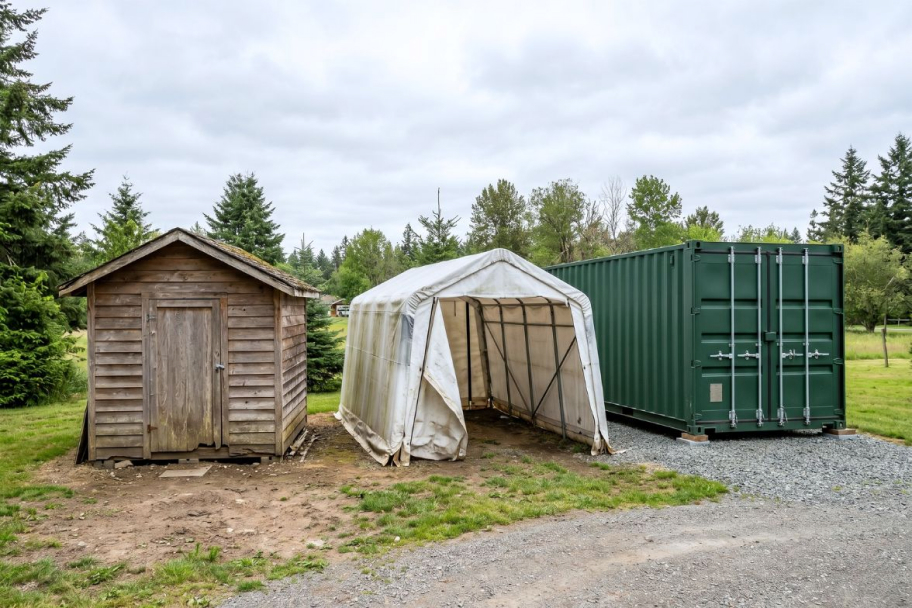
Quick answer: Yes, shipping containers are rodent proof due to their all-steel construction and weather resistant seals. However, human error like leaving the door open, ignoring damage to containers or leaving open food around the container can lead to rodent problems.
Rodents can do serious damage to stored belongings in a short amount of time. Chewed wires, ruined furniture, contaminated equipment, and shredded paperwork are all common outcomes of even a small mouse problem. If you store valuable items outside your home or business, pest prevention matters as much as security.
So are shipping containers rodent proof? Yes, they are rodent proof. A solid steel container with intact seals, no rust holes, and proper placement is one of the best pest proof storage options available.
Problems start when doors stay open, or clutter and food sources attract pests.
This guide explains how steel containers stand up to rodents, where the weak points are, and how to keep your belongings secure for the long term.
Are Shipping Containers Rodent Proof?
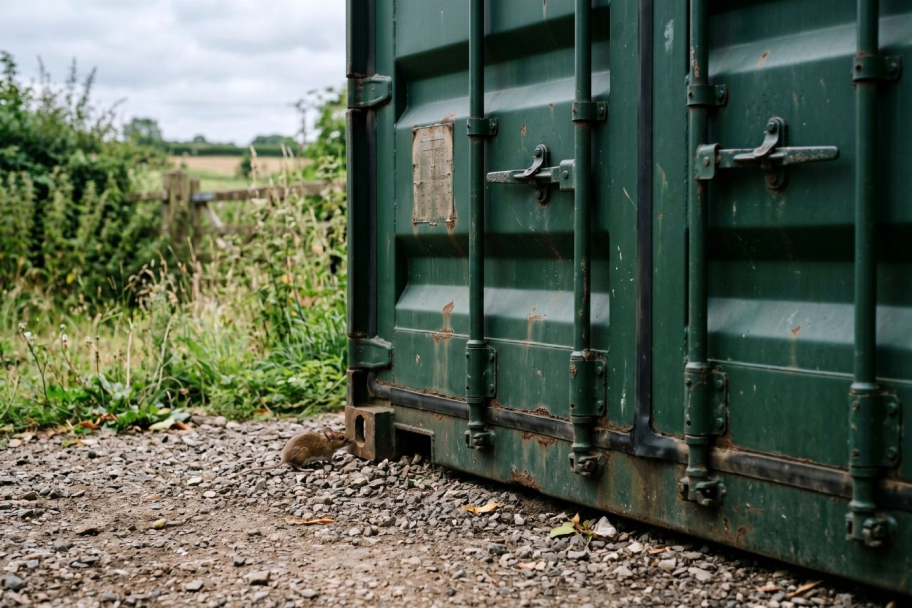
A shipping container is one of the most rodent resistant storage options on the market. The body is welded steel, the floor is enclosed, and a well sealed door blocks the gaps that mice and rats use to enter wood sheds, garages, and fabric shelters.
That said, rodents are persistent. A mouse can squeeze through an opening the size of a dime, and a rat needs a gap only about the size of a quarter. If a container has damaged door seals, a hole rusted through the floor, or it sits in tall grass next to a feed barn, pests can still find a way in.
The takeaway is simple. A clean, intact metal storage container plus smart placement and storage habits gives you excellent pest prevention. Neglect any one of those, and your odds drop.
Why Shipping Containers Are Naturally Rodent Resistant
Steel construction is the biggest reason a shipping container outperforms most other storage structures. Rodents cannot chew through 14 gauge corten steel walls or a steel framed floor the way they can chew through wood, vinyl siding, or fabric.
The design is also sealed by default. Shipping containers were built to keep ocean water away from cargo, so a healthy unit has weather rated rubber gaskets on the doors, a continuous welded shell, and tight fitting locking rods. That same construction blocks pests.
Containers also sit off the ground on forklift pockets or blocks. Elevation reduces moisture, makes burrowing harder, and removes the dark damp space that rodents love. Compared to a wood shed on dirt, that alone is a major advantage.
How Rodents Can Still Get Into a Shipping Container
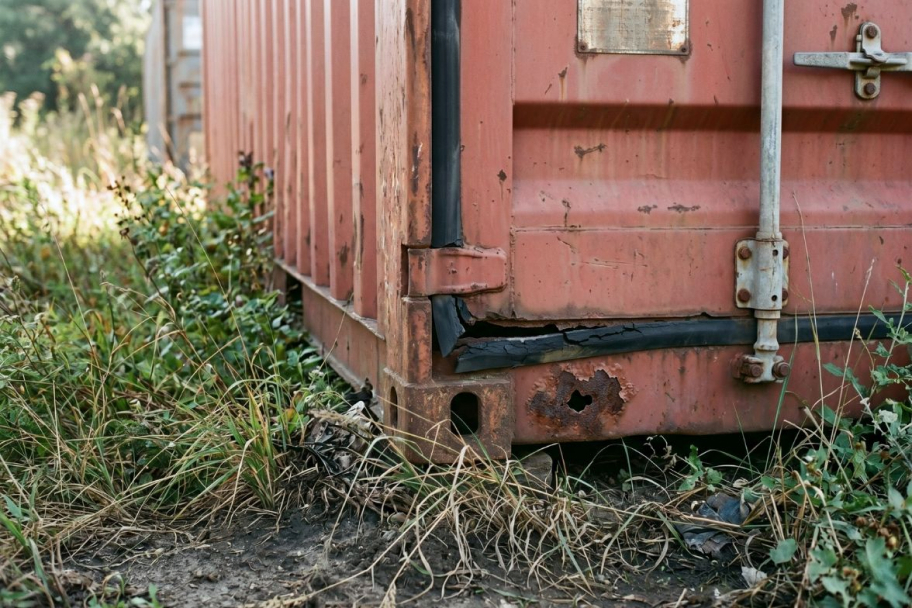
Rodent entry almost always comes down to a few specific weak points. Knowing them helps you inspect and prepare your container correctly.
Damaged container door seals. Rubber gaskets crack with age, UV exposure, and rough handling. Even a small split lets rodents push through.
Floor gaps and rust holes. Older containers can develop pinholes in the floor or lower side panels. These are common entry points that often go unnoticed.
Vents. Standard containers have small vents near the top. Other types of container ventilation are common. They are usually screened, but damaged or missing screens become open doors for mice.
Doors left open. A container that sits open during loading is a temporary invitation, especially in rural or wooded areas.
Clutter and nesting material. Cardboard, fabric, paper, and loose insulation give rodents reasons to stay and breed.
Nearby food sources. Pet food, livestock feed, bird seed, garbage, and compost within 50 feet of the container raise your risk significantly.
Poor placement. Containers set in tall grass, against brush, or directly on bare soil are easier for rodents to approach unseen.
How to Keep Mice and Rats Out of a Storage Container
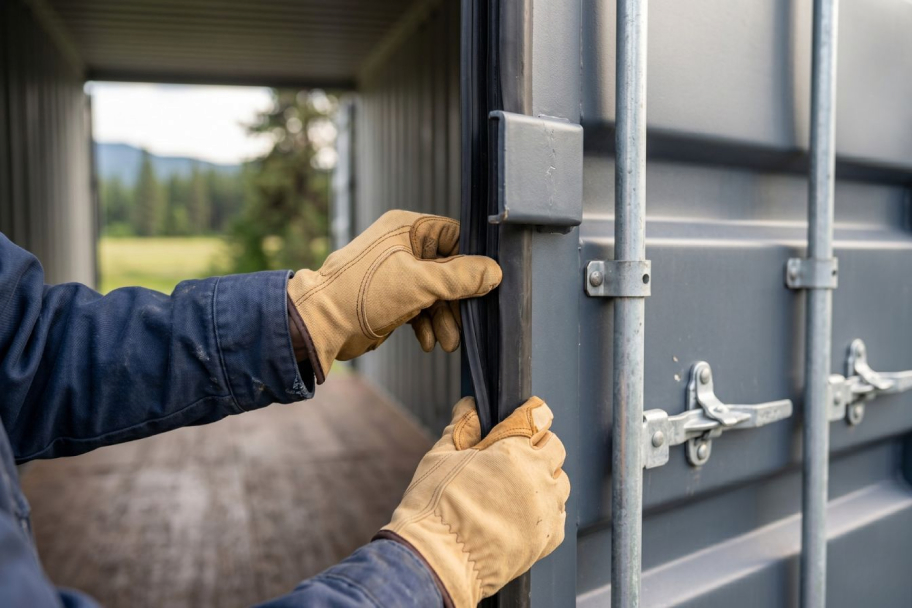
Most rodent problems are preventable with a short list of habits and a one time setup.
Start With a Clean, Sound Container
Choose a unit with intact door gaskets, a dry floor, no visible rust holes, and working vent screens. Newer one trip containers offer the best baseline. Reconditioned units from a reputable dealer are also a strong choice when inspected properly.
Seal Every Possible Entry Point
Inspect door seals along the full length and replace any cracked sections. Patch small floor or wall holes with steel plate or a quality rodent resistant filler. Confirm that vent screens are intact, and add fine mesh if needed.
The CDC's guide to sealing up rodent entry points is a useful reference, noting that mice can fit through gaps as small as a quarter inch, which is why even minor damage to a door gasket matters.
Place the Container Smartly
Set the container on a level, well drained surface such as gravel, concrete, or compacted base. Keep grass, brush, and woodpiles cut back several feet on all sides. Avoid placing units directly next to barns, dumpsters, or feed storage.
Store the Right Way
Use sealed plastic totes instead of cardboard boxes. Keep items off the floor on container shelving or pallets. Leave aisles so you can inspect corners and back walls easily. A little planning when you pack your storage container goes a long way toward pest prevention and easier long term access.
Add Light Deterrents
Peppermint oil, rodent repellent sachets, and ultrasonic devices are not magic, but they add a layer of discouragement when used with the steps above.
Storage Container Inspection Checklist
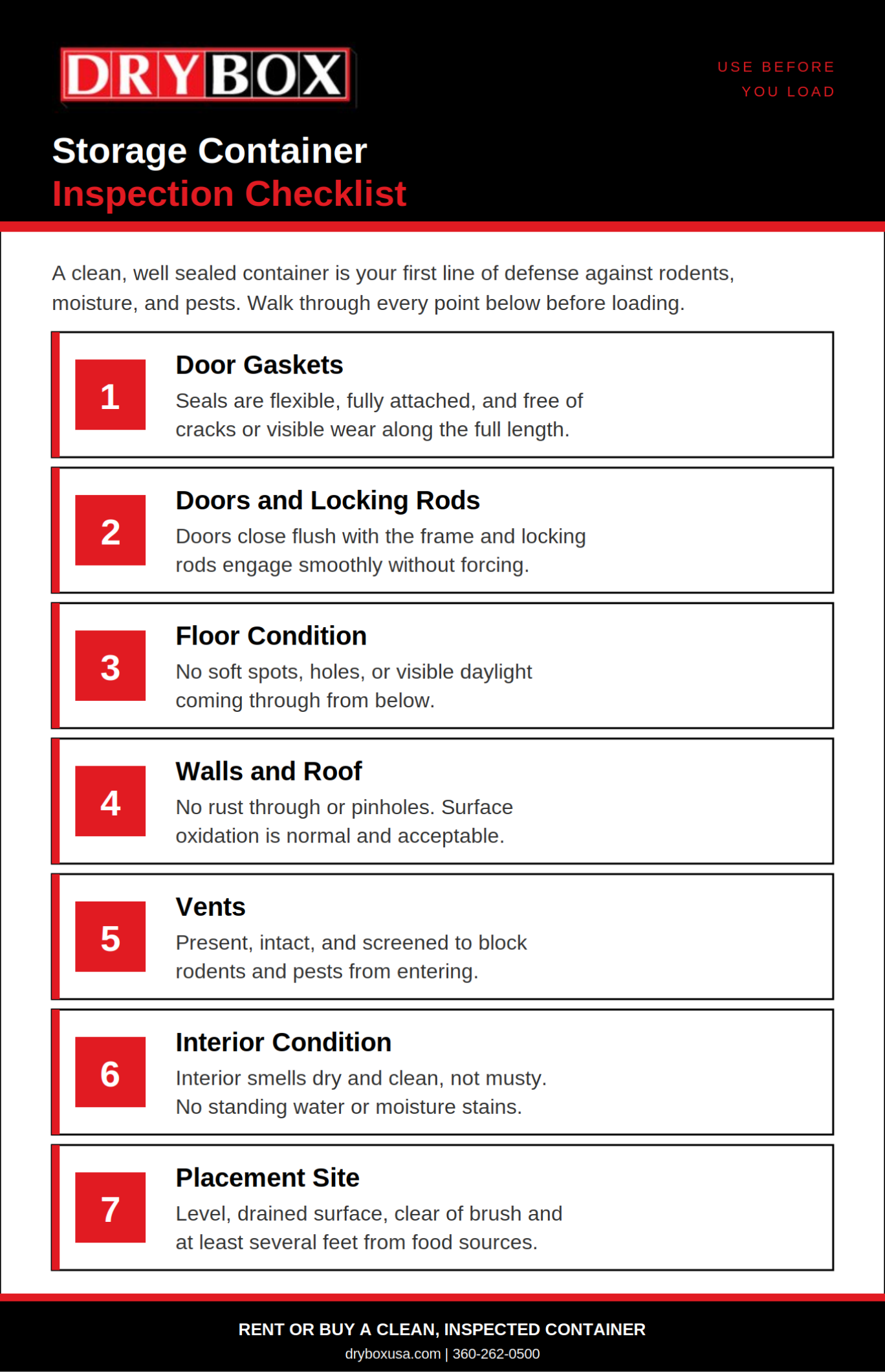
Use this short checklist to inspect your container when you get it and annually to ensure it is rodent proof.
- Door gaskets are flexible, fully attached, and free of cracks.
- Doors close flush and the locking rods engage without forcing.
- The floor has no soft spots, holes, or visible daylight.
- Walls and roof show no rust through, only surface oxidation.
- Vents are present and screened.
- The interior smells dry, not musty.
- The placement site is level, drained, and clear of brush.
If any item fails, It's important to sure up the weak spots.
What Not to Store If Rodents Are a Concern

Some items attract pests no matter how well sealed the container is. When possible, keep these out.
Pet food, livestock feed, bird seed, and grass seed are top attractants. So are open snacks, candles with food scents, and anything with lingering grease such as unwashed grills.
Soft nesting materials are also risky. Old mattresses, upholstered furniture with damaged covers, loose blankets, and stacks of cardboard give rodents both food source cues and a place to hide. If you must store these, seal them in heavy plastic or hard sided totes.
Are Shipping Containers Better Than Sheds or Garages for Rodent Prevention?
For pest prevention, shipping containers usually outperform every common alternative.
Wood sheds are the weakest. Mice can chew through siding, gnaw around door frames, and burrow under the floor. Fabric and vinyl shelters offer almost no resistance at all. Even quality garages have door sweeps, baseboard gaps, and vents that pests exploit.
A steel shipping container removes most of those weak points. The walls cannot be chewed, the floor is enclosed, the door seals are rated for ocean transit, and the structure sits off the ground. As a rodent resistant storage option, it is one of the strongest you can buy or rent.
When to Call Pest Control or Repair the Container
If you see droppings, gnaw marks, shredded materials, or hear scratching, act quickly. A small problem becomes a nesting site fast.
Start by removing the contents, cleaning thoroughly with disinfectant, and inspecting every seam and seal. Patch any holes and replace damaged gaskets. For active infestations, a licensed pest control professional is the safest route, especially around food adjacent storage.
For long term storage, plan a quick inspection every few months. Wipe down the threshold, check the seals, and look for fresh signs of activity. Small habits prevent big problems.
Rent or Buy a Rodent Resistant Storage Container From Dry Box
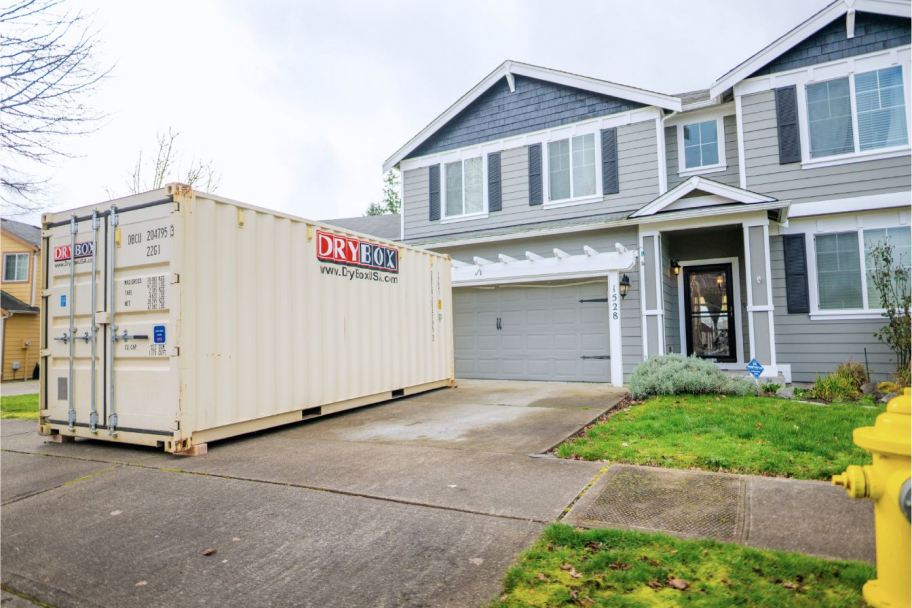
Dry Box delivers clean, well sealed containers built to keep your belongings dry and protected. Whether you need storage containers for rent for a seasonal project or shipping containers for sale for permanent on site storage, every unit goes through inspection before delivery.
Need custom upgrades? Our container modifications team can add fresh gaskets, vent screens, lockboxes, and other features that improve pest resistance. We also offer container shelving to keep your belongings off the floor and easier to inspect.
Request a quote from Dry Box or call your nearest yard to find the right rodent resistant storage container for your project.
Frequently Asked Questions Storage Containers and Rodents
Can mice chew through a shipping container?
No. Mice cannot chew through corten steel walls, the steel frame, or a properly sealed door. They can only enter through existing gaps, holes, or damaged seals.
Can rats get under shipping container doors?
Only if the door gasket is damaged or the container sits unevenly. A healthy door seal compresses tightly against the frame and leaves no gap large enough for a rat.
Do shipping containers attract rodents?
The container itself does not attract rodents. What attracts them is food, clutter, nearby brush, and warmth. Smart placement and clean storage habits make a container very unattractive to pests.
What is the best way to keep mice out of a storage container?
Start with a unit that has intact seals and no holes. Place it on a clean, level site away from brush and food sources. Store items in sealed plastic totes on shelving, and inspect every few months.
Are used shipping containers more likely to have pest issues?
They can be, but only if they were poorly maintained. A reconditioned container from a reputable dealer is inspected, cleaned, and repaired before resale. Always check seals, floors, and vents before loading.
Should I use traps or poison inside a storage container?
Snap traps and enclosed bait stations can be useful for monitoring or active problems. Avoid loose poison around belongings, pets, or food-adjacent storage. For serious infestations, contact a licensed pest control professional.
Are shipping containers better than wood sheds for keeping rodents out?
Yes. Wood sheds can be chewed, burrowed under, and accessed through siding gaps. A steel shipping container has none of those weak points and offers far stronger pest proof storage when properly maintained.
Protect Your Belongings With a Dry Box Container
A well sealed metal storage container is one of the strongest defenses you can put between your belongings and the elements, including rodents. Are shipping containers rodent proof in every situation? Not quite. Are they the most rodent resistant storage option for most homeowners and businesses? Without question.
Contact Dry Box today for a quote on a clean, inspection ready shipping container delivered to your site.
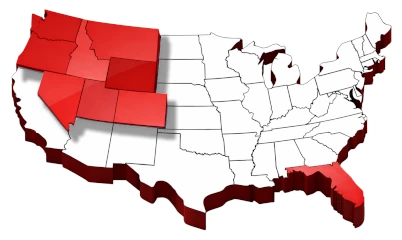
Dry Box provides storage container rentals and new and used shipping containers for sale with professional modifications across Washington, Oregon, Idaho, Montana, Utah, Nevada, Colorado, Wyoming, and Florida. Call 360-262-0500 or visit DryBoxUSA.com to get your free quote today.
Call us today or fill out our quote form here.